Hamnøy, Lofoten — Norway's Most Photographed Fishing Village

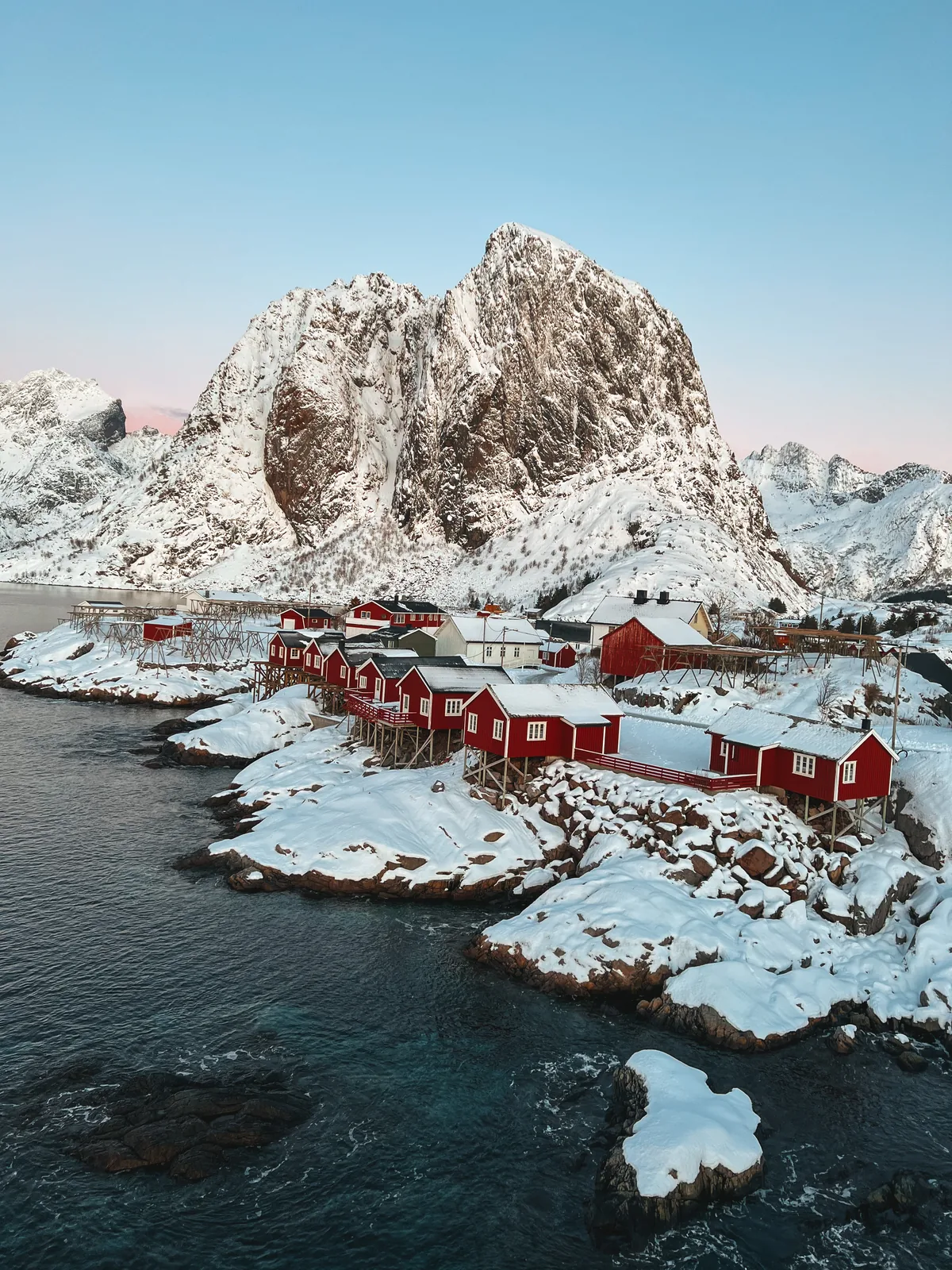
One of the oldest fishing villages in Lofoten — a cluster of red rorbuer on the rocks beneath dramatic peaks, and one of the most photographed views in Norway.

🚗 Access: car, walking_hiking☀️ Season: all-year
💰 Entry: Free
📍 Location: Northern Norway
Difficulty:easy
Time:1-2 hours
Where to stay near Hamnøy
Closest cities for an overnight stay and approximate prices on Booking.com.
Campsites near Hamnøy
Nearest campsites and caravan sites — straight-line distance.
Loading map…
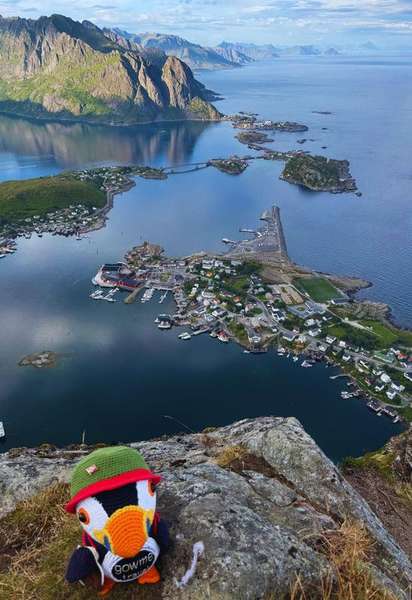
Hamnøy on the map — bridge viewpoint, parking and nearby villages
Weather now
Loading…

Quick answers

What is Hamnøy, and why is it famous?

Hamnøy is a small fishing village in Lofoten, northern Norway, on the eastern side of Moskenesøya just north of Reine. It is one of the oldest fishing villages in Lofoten — built on the winter cod fishery, with red rorbuer (traditional fishermen's cabins) on the rocks beneath a wall of steep peaks. It is famous above all for its looks: the view of the village from the Hamnøy bridge is one of the most photographed scenes in all of Norway, and appears on countless postcards and guidebook covers.

Where is the best Hamnøy photo spot?

The classic shot is taken from the Hamnøy bridge, looking back at the village: the red rorbuer of Eliassen Rorbuer on the rocks, the calm water, and the dramatic mountains behind, all in one frame. The light is best early or late in the day, and in winter the snow-capped peaks make the scene unforgettable. The bridge is a live road bridge, so stay on the footway, keep children close, and do not stop your car on it.

Where do you park in Hamnøy?

This is the one thing to plan. Parking by the Hamnøy bridge — the famous photo spot — is very limited, with only a few lay-by spaces. Park considerately in a proper marked area, well clear of the carriageway and the bridge, and never block the road. If you are staying overnight in a rorbu, your accommodation will have its own parking. In the busy summer season it is easiest to arrive early or later in the day.

Can you stay in a rorbu in Hamnøy?

Yes — and it is the best way to experience the village. Many of Hamnøy's historic red rorbuer are rented as accommodation, the best known being Eliassen Rorbuer, whose cabins are the very ones in the famous photograph. Sleeping in a rorbu over the water at Hamnøy, with the peaks outside the window, is one of the classic Lofoten experiences. Demand is high, so book well ahead for the summer and for the winter northern-lights season.

When is the best time to visit Hamnøy?

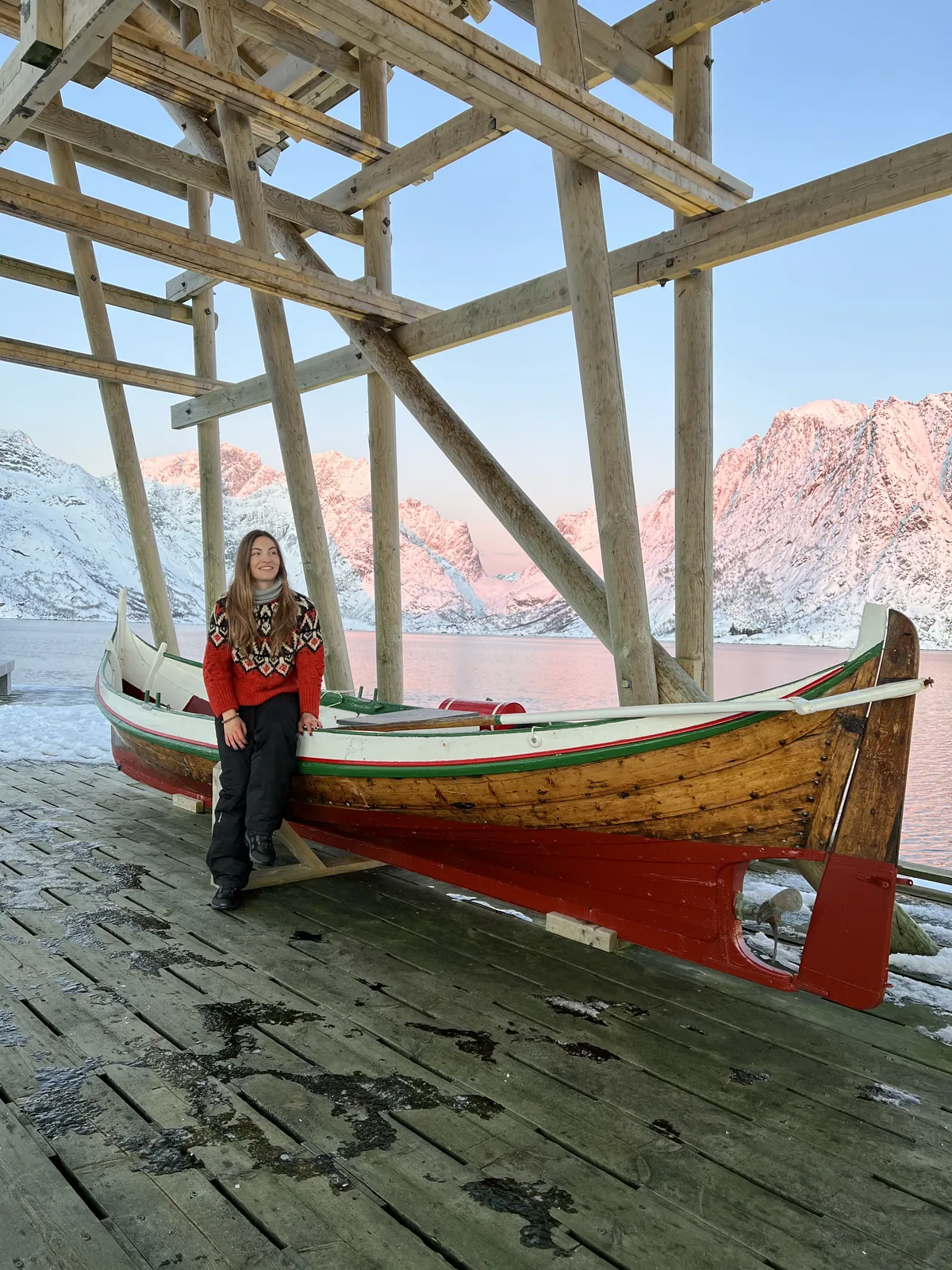
Hamnøy is beautiful year-round, and the choice depends on what you want. Summer (June to August) brings the midnight sun, mild weather and the liveliest atmosphere — but also the crowds and the parking squeeze. Winter is when Hamnøy is at its most dramatic: the Gowme.travel team visited in winter, and with the peaks under snow and the low pink light on the red cabins it is the version of Hamnøy most people picture. Winter is also a good, sheltered time for the northern lights — just dress warmly and watch the icy wharves underfoot.

Is Hamnøy worth visiting with kids?

Yes. Hamnøy is tiny, mostly flat and quick to walk, so it is an easy stop with children — they can see the fishing boats, the rorbuer and the cod-drying racks. The main things to watch are the open water and wharf edges, which are mostly unfenced, and the Hamnøy bridge, which carries real traffic — keep younger children close and hold hands on the bridge. In winter the rocks and wharves are icy, so steady footwear matters.

How do you get to Hamnøy?

Hamnøy sits right on the E10, the main road through Lofoten, about an hour's drive from Leknes and its airport and only a few minutes north of Reine. It is linked to its neighbouring islands by bridges, so you simply drive straight through on the E10. Most visitors come by car or campervan; there is also a bus along the E10. The Moskenes ferry terminal, which connects Lofoten to Bodø on the mainland, is a short drive south.

About Hamnøy

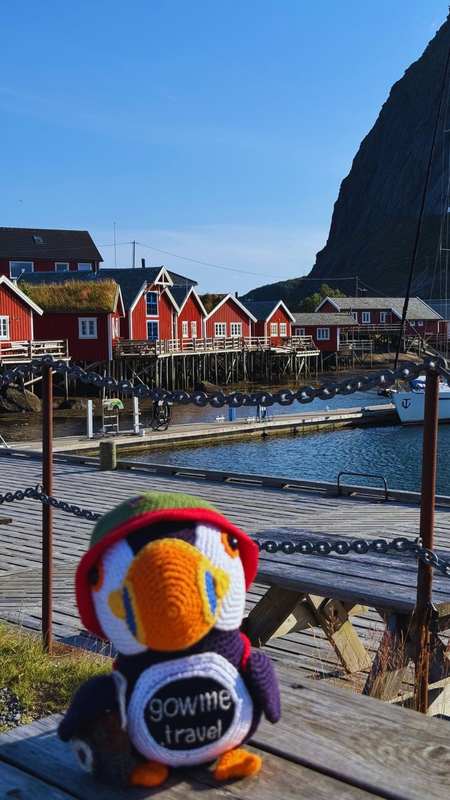
Hamnøy is one of the oldest fishing villages in Lofoten — and the source of what is probably the single most reproduced image of Norway. It sits on the eastern side of Moskenesøya, just north of Reine, a small cluster of red rorbuer (the traditional fishermen's cabins) strung between tiny islands and joined to the E10 by bridges. Behind the cabins a wall of sharp, often snow-capped peaks rises straight out of the sea. It is tiny — a working harbour and a handful of buildings — but the setting is extraordinary.

The view that made Hamnøy famous is the one from the Hamnøy bridge. Look back at the village from the bridge and you get the whole composition in a single frame: the red rorbuer of Eliassen Rorbuer on the rocks, the still water, and the dramatic mountains behind. It is on postcards, calendars and the cover of guidebooks, and in winter — when the peaks are white and the light turns pink — it is one of the most photographed scenes in all of Norway.

Hamnøy earns its "oldest" claim. People have fished for Arctic cod from here for centuries, drawn by the same winter cod fishery that built every village along this coast. The Eliassen family settled at Hamnøy in the 1870s, and some of the rorbuer at Eliassen Rorbuer date back to around 1890. In 1953 a pier was built across the harbour mouth, enclosing it and making it one of the safest natural harbours in Lofoten; the E10 reached the village in 1963, and the bridges that link Hamnøy to its neighbouring islets were completed in 1981.

The red cabins are the heart of the village, and they are still very much in use. Many of the historic rorbuer — Eliassen Rorbuer foremost among them — are now rented to visitors, so the cabins you photograph from the bridge are also somewhere you can sleep. Staying in a rorbu over the water at Hamnøy, with the peaks filling the window, is one of the classic Lofoten experiences, and it is exactly the kind of place a future guide to the best rorbuer in Lofoten will be built around.

Hamnøy is small enough that most people stop only for the photograph — but it rewards a slower look. Wander the wharves, watch the fishing boats, look at the cod-drying racks, and have a meal at the village restaurant. The pretty yellow houses of Sakrisøy and the famous village of Reine are both only minutes away on the E10, so Hamnøy is easy to fold into a single afternoon along this stretch of road.

There is no entrance fee — Hamnøy is a living village, free to walk through — and it sits right on the E10 about an hour from Leknes. The one thing to plan is parking: space at the bridge photo spot is very limited, so park considerately and never block the road or the bridge. Come for the famous view, but give Hamnøy a little time — it is a real fishing village, not a film set, and that is exactly what makes it worth the stop.

9-day weather forecast — Hamnøy

Loading forecast…
Mountain weather changes fast. This is an automated forecast from MET Norway — not a personal recommendation. Check yr.no and use your own judgement before you head out.

Did you know?

  • Hamnøy is one of the oldest fishing villages in Lofoten — some of the rorbuer at Eliassen Rorbuer date back to around 1890.
  • The view of Hamnøy from the Hamnøy bridge — red rorbuer beneath sharp peaks — is one of the most photographed scenes in all of Norway.
  • Hamnøy's harbour was enclosed by a pier in 1953, making it one of the safest natural harbours in Lofoten.

Practical tips

Parking: space by the Hamnøy bridge — the famous photo spot — is very limited. Use a proper lay-by or marked area, park well clear of the carriageway and the bridge, and never stop on the road itself. If you are staying overnight, your rorbu will have parking.

The photo spot: the classic Hamnøy view is taken from the Hamnøy bridge, looking back at the red rorbuer with the peaks behind. Take care — it is a live road bridge, so stay on the footway and keep children close.

Visiting: there is no fee to walk through Hamnøy. It is small — most visitors need 30 minutes to an hour, longer with a meal.

Clothing: wear warm layers and footwear with grip, especially in winter, when the wharves and rocks are icy.

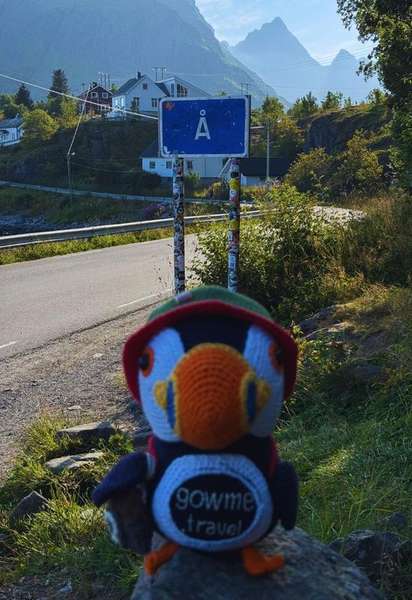
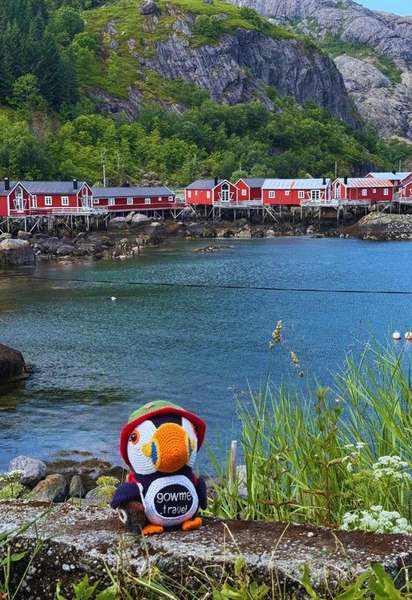
Combining the trip: Hamnøy sits among the highlights of western Lofoten — it pairs naturally with Reine and the village of Å at the end of the road, the Sherpa-stair climb up Reinebringen, and the historic village of Nusfjord.
Nearby places

Plan your Norway trip in one smart map

Fluffy™ Norway Trip Planner is built for one thing: turning a messy "somewhere in Norway" idea into a clear route you can actually follow. Tell Fluffy when you're traveling, who you're with, how active you want to be – and the planner curates a custom mix of fjords, viewpoints, easy walks and bigger adventures.

Whether you're starting with classic Oslo attractions and day trips from Oslo, flying to Bergen for some Bergen sightseeing, or chasing the northern lights around Tromsø, Bodø, Narvik or Alta, the planner connects it all into one route. Road-tripping through western Norway around Aurland, Gudvangen, Loen, Olden, Voss and Stryn? Hopping between islands in Lofoten – Svolvær, Leknes, Å i Lofoten, Henningsvær, Hamnøy? Or mixing cities like Stavanger, Trondheim, Kristiansand and Lillehammer with quiet fjord villages? Fluffy keeps the puzzle pieces in order.

After five quick steps, you get a personalized map of Norway with recommended places across northern, western and southern Norway – sent straight to Google Maps. Open it on your phone, tick off spots as you go, and adjust on the fly. You bring the curiosity; Fluffy brings the map.

Show more