Å is a small, historic fishing village on the southern tip of Moskenesøya, in Lofoten, northern Norway. It is famous for two things: its name — a single letter, the last in the Norwegian alphabet, and one of the shortest place names in the world — and its setting at the very end of the E10, the main Lofoten road, which simply stops at the village. Å is one of the best-preserved fishing villages in the country, with 19th-century rorbuer, wharves and boathouses kept much as they were.
What is there to do in Å in Lofoten?
Å is small, so it is an easy place to wander. The main draws are the two museums — the Norwegian Fishing Village Museum and the Lofoten Stockfish Museum — and the historic bakery, which still bakes cinnamon buns in a wood-fired oven. Beyond that you can walk the harbour and the old wharves, see the wooden racks where stockfish is dried, and take the short stroll to a quiet little fjord and pebble shore just past the houses. Most visitors spend one to two hours here; allow longer if you tour both museums.
What is the Norwegian Fishing Village Museum in Å?
The Norwegian Fishing Village Museum (Norsk Fiskeværsmuseum) is an open-air museum that makes up much of the village of Å itself. It preserves the original buildings of a 19th-century cod-fishing station on their own sites — a boathouse, the cod-liver-oil works, a smithy, a fisherman's cabin, the post office and a wood-fired bakery — and tells the story of how families here lived off the Lofoten winter cod fishery. The neighbouring Lofoten Stockfish Museum focuses on tørrfisk, the air-dried cod that has been the region's main export for a thousand years. Both charge admission; the village streets themselves are free to walk.
Where do you park in Å, and is the village free to visit?
There is a car park right beside the village of Å, a short flat walk from the harbour, the museums and the bakery. It can fill up on summer afternoons, so it is easier to arrive earlier in the day. Walking around the village itself is free — you only pay if you go into the Norwegian Fishing Village Museum or the Lofoten Stockfish Museum.
When is the best time to visit Å?
Summer (June to August) is the easiest time: the midnight sun keeps the village light around the clock, the museums and bakery keep full hours, and the weather is mildest — though this is also when Å is busiest, so come earlier in the day. Spring and early autumn are quieter and you can still catch the stockfish racks hung with drying cod. Winter is dark, atmospheric and good for the northern lights, but museum hours are reduced. Whatever the season, pack layers and a waterproof jacket — weather at the end of the Lofoten road changes fast.
Is Å worth visiting with kids?
Yes. Å is compact, flat and easy to walk, so it suits families with little effort, and the open-air museum — boats, the smithy, the bakery — is genuinely interesting for children. When the Gowme.travel team visited we walked the village and the path to the small fjord beyond it with our child in a carrier backpack, and it was an easy, relaxed stop. The main thing to watch is the harbour and wharf edges, which are mostly unfenced, so keep younger children close to the water.
How do you get to Å, and can you drive further?
Å is the last stop on the E10, the main road through Lofoten — about ten minutes' drive beyond Reine and a little over an hour from Leknes and its airport. The road ends at the village, so you cannot drive any further south; Å is literally the end of the road. The Moskenes ferry terminal, which connects Lofoten to Bodø on the mainland, is only a few minutes back up the E10. Most visitors arrive by car or campervan, and there is also a bus along the E10.
Is Å worth visiting if you already saw Reine?
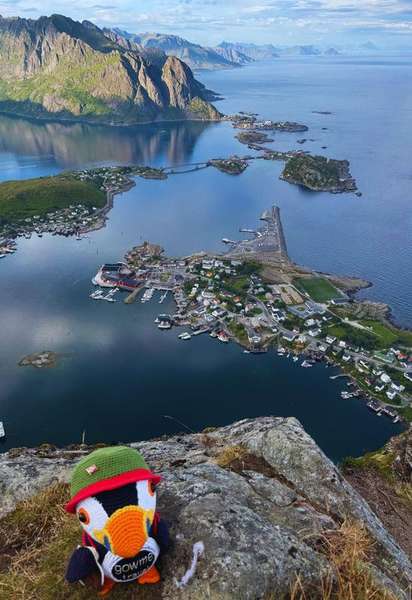
Yes. Reine and Å feel different. Reine is more about iconic fjord scenery, while Å is more about fishing heritage, museums, and the special feeling of standing at the very end of the road.
What makes Å special in Lofoten?
Å is distinctive because of how it combines being at the very end of the E10 with one of the strongest preserved fishing-village atmospheres in Lofoten — the open-air museum, the old wharves, the 1878 wood-fired bakery, and a single-letter place name you will not find anywhere else.
Are the museums in Å worth it?
Yes, especially if you want more than just a photo stop. The museums give useful context about fishing life, stockfish, and how the village worked historically.
About Å
Our footage of the old harbour and wooden wharves — the slower, more historic side of Å.
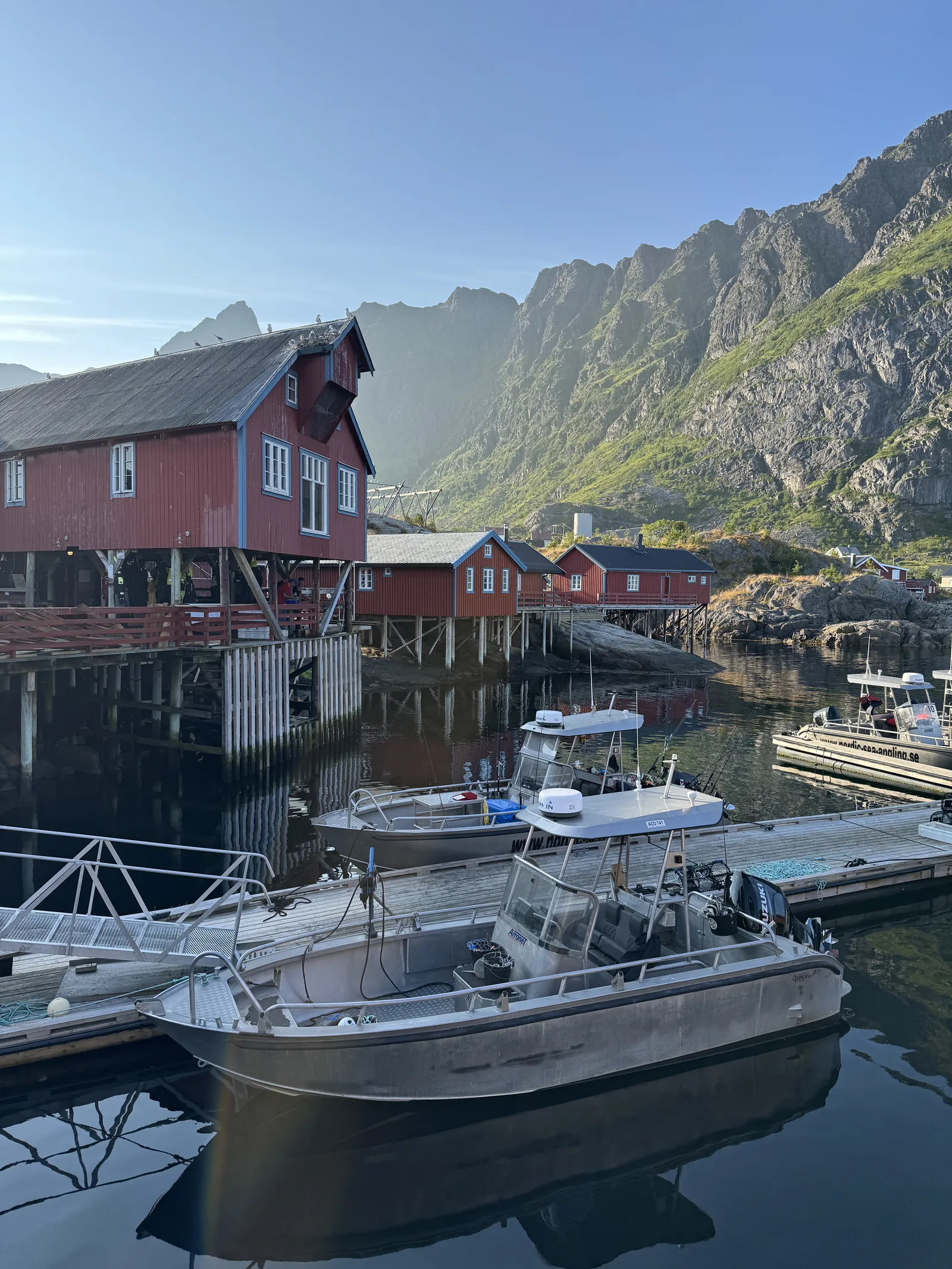
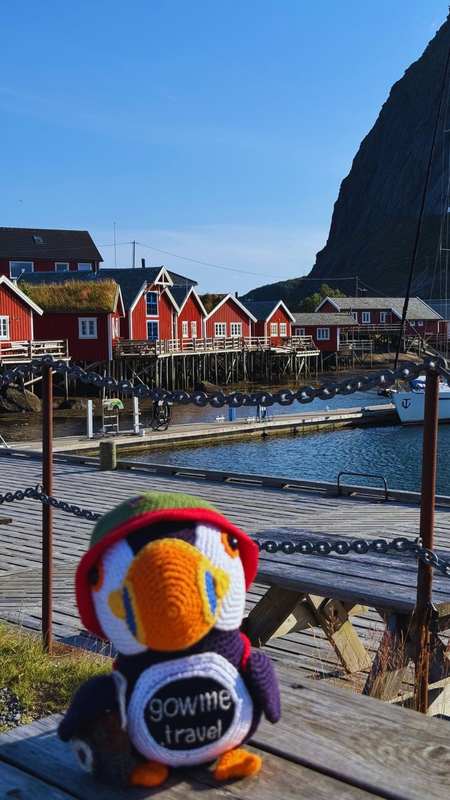
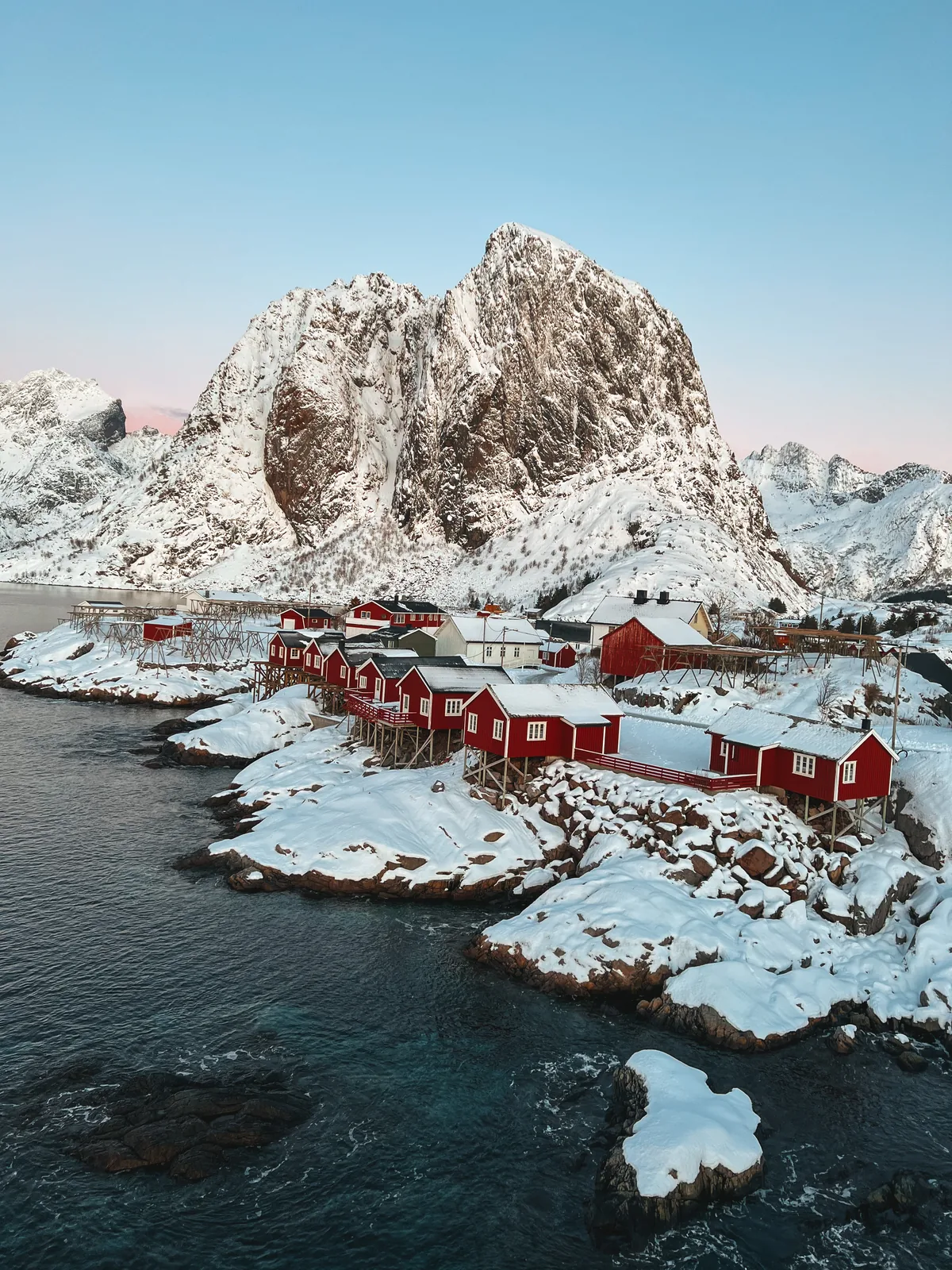
Å is the village at the very end of the road. Follow the E10 — the main road through Lofoten — as far west and south as it goes, past Reine and Moskenes, and on the southern tip of the island of Moskenesøya the asphalt simply stops. Where it stops is Å: a tiny cluster of red and ochre rorbuer wedged between steep mountains and the open sea, one of the best-preserved fishing villages in Norway, and the natural finish line for any Lofoten road trip.
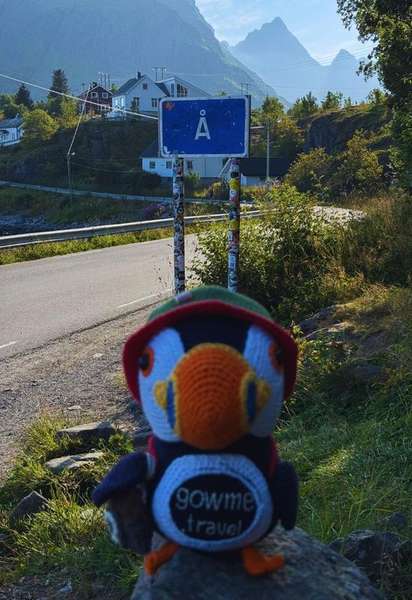
Å is also famous for its name. A single letter — the last letter of the Norwegian alphabet — it is one of the shortest place names in the world, and the village road sign is said to be among the most photographed (and most stolen) signs in the country. Locals usually call it Å i Lofoten to set it apart from the handful of other places in Norway that share the name.
Much of Å is, in effect, an open-air museum. The Norwegian Fishing Village Museum (Norsk Fiskeværsmuseum) preserves the original buildings of a 19th-century cod-fishing station exactly where they have always stood — the boathouse, the cod-liver-oil works, the smithy, a fisherman's cabin and the old bakery — and tells the story of how generations here lived off the winter cod. Next to it, the Lofoten Stockfish Museum explains tørrfisk, the air-dried cod that has been Lofoten's export to the world since the Viking age and still hangs on the wooden racks around the village each spring.
The small bakery in Å bakes in a wood-fired stone oven built in 1878, and its cinnamon buns and cardamom rolls have become a destination in their own right — the classic reward for reaching the end of the road. Around the harbour, the red rorbuer that once housed visiting cod fishermen are now rented as accommodation, so you can sleep in a historic cabin over the water with the mountains outside the window.
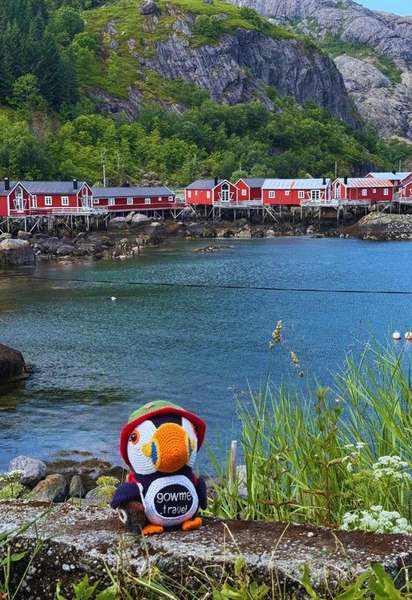
A firsthand look at Å as an easy family stop — a gentle village walk rather than a demanding hike.
Å is small, and that is the point. Beyond the museums and the bakery there is the harbour to wander, the fish racks to see, a short walk to a quiet little fjord and pebble shore just beyond the houses, and the sense of having driven Lofoten from end to end. In summer the midnight sun keeps the village glowing late; in winter it is a quiet, dark-sky spot at the very edge of the islands.
The short walk to the quiet little fjord just beyond the houses at Å.
The village itself is free to walk around — only the museums charge admission — and there is a car park right beside it. Å sits about ten minutes' drive beyond Reine, which makes it easy to combine the two: the most photographed village in Lofoten, and the one right at the end of the road.
9-day weather forecast — Å
Loading forecast…
⚡ Mountain weather changes fast. This is an automated forecast from MET Norway — not a personal recommendation. Check yr.no and use your own judgement before you head out.
Did you know?
Å, on the southern tip of Moskenesøya, sits at the very end of the E10 — the main road through Lofoten literally stops at the village.
The name Å is a single letter, the last in the Norwegian alphabet, and one of the shortest place names in the world.
Å's Norwegian Fishing Village Museum preserves the original buildings of a 19th-century cod-fishing station on their own sites — among them a bakery whose wood-fired stone oven dates from 1878.
Practical tips
Getting there: Å is the final stop on the E10, the main Lofoten road — about ten minutes beyond Reine and a little over an hour from Leknes. The road ends at the village, so you cannot drive any further; the Moskenes ferry to Bodø leaves from a few minutes back up the road.
Parking: there is a car park right by the village, a short flat walk from the harbour and the museums. It can fill on summer afternoons, so arriving earlier in the day is easier.
Museums: the village is free to walk around, but the Norwegian Fishing Village Museum and the Lofoten Stockfish Museum charge admission — check their current opening hours before you go, as they are reduced outside the summer season.
The bakery: the historic bakery is a highlight — go earlier in the day, as the cinnamon buns sell out.
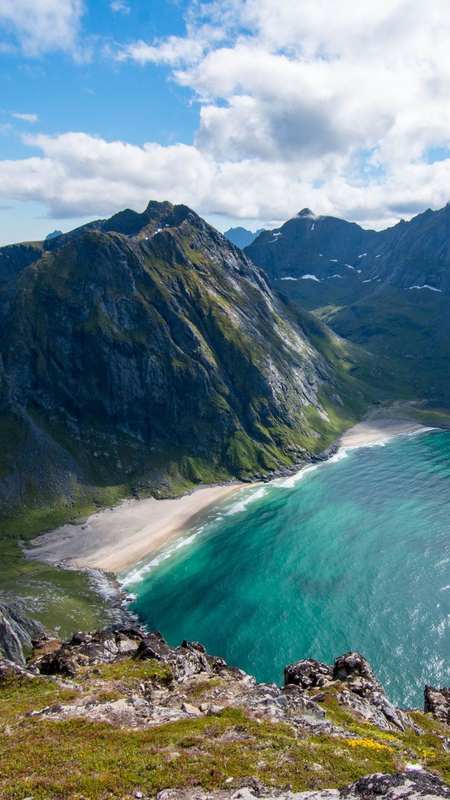
Combining the trip: Å pairs naturally with Reine just up the road and the Sherpa-stair hike of Reinebringen above it, and with the historic village of Nusfjord and the Kvalvika Beach and Ryten loop further east.
Fluffy™ Norway Trip Planner is built for one thing: turning a messy "somewhere in Norway" idea into a clear route you can actually follow. Tell Fluffy when you're traveling, who you're with, how active you want to be – and the planner curates a custom mix of fjords, viewpoints, easy walks and bigger adventures.
Whether you're starting with classic Oslo attractions and day trips from Oslo, flying to Bergen for some Bergen sightseeing, or chasing the northern lights around Tromsø, Bodø, Narvik or Alta, the planner connects it all into one route. Road-tripping through western Norway around Aurland, Gudvangen, Loen, Olden, Voss and Stryn? Hopping between islands in Lofoten – Svolvær, Leknes, Å i Lofoten, Henningsvær, Hamnøy? Or mixing cities like Stavanger, Trondheim, Kristiansand and Lillehammer with quiet fjord villages? Fluffy keeps the puzzle pieces in order.
After five quick steps, you get a personalized map of Norway with recommended places across northern, western and southern Norway – sent straight to Google Maps. Open it on your phone, tick off spots as you go, and adjust on the fly. You bring the curiosity; Fluffy brings the map.