Why Norway is made for roadtrips
Norway has excellent roads, dramatic scenery between every destination, and a culture of slow, exploratory driving. The distance between highlights is never just dead time — it's often the best part of the day. The Atlantic Road, Trollstigen, the Lofoten E10 — these are routes worth planning around, not just passing through.
The practical challenge is that Norway is long, ferry-dependent, and seasonally variable. Some roads close in winter. Some crossings need to be booked weeks ahead in summer. Getting around Norway well means planning the route before you land — not improvising as you go.
Three routes worth planning
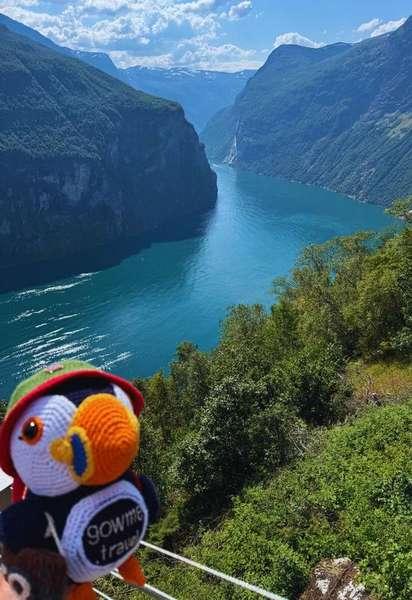
Classic Fjord Loop
7–10 daysStarts in: Bergen
Bergen → Flåm → Aurland → Laerdal → Geiranger → Trollstigen → Ålesund → back via ferry. The most-driven route in Norway for a reason — every day has a payoff.
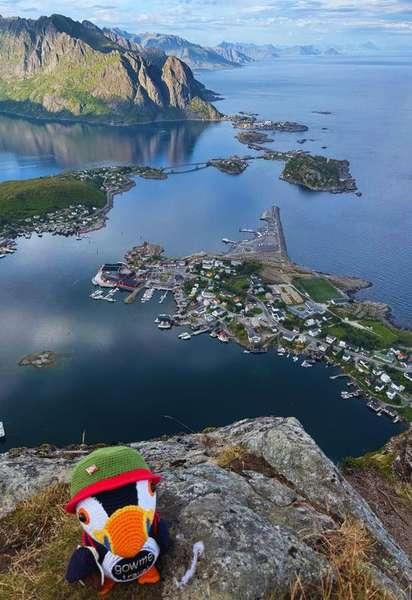
Lofoten Road
5–7 daysStarts in: Bodø (ferry) or Narvik
Cross onto the islands at Fiskebøl or come from the south via the E10. Drive the length of Lofoten from Å to Svolvær — stop everywhere in between.
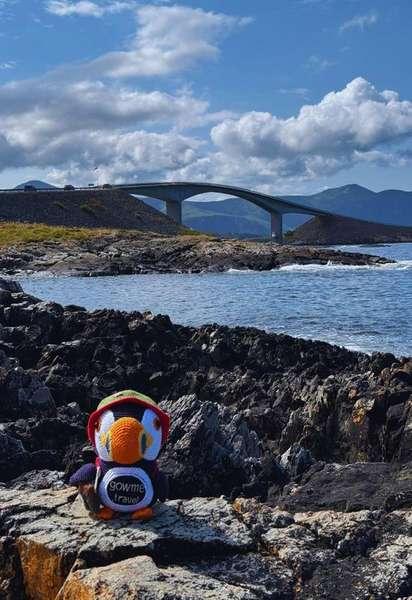
Atlantic Coast Route
4–6 daysStarts in: Ålesund
Ålesund → Atlantic Road → Kristiansund → Trondheim. The Atlantic Road section is short but unforgettable — plan extra time to walk the boardwalk at Eldhusøya.
Getting around Norway
Norway has more transport options than most roadtrip destinations — and the right choice depends heavily on your route, group size, and how much flexibility you want.
Car
Best for: Most trips
The most flexible option. Norway's road network is excellent. Some mountain passes close in winter — check Statens vegvesen before driving any high route.
Campervan
Best for: 10+ day trips
A popular choice for Lofoten and the fjords. Freedom to stop anywhere. Wild camping is legal in Norway — use it.
Ferry
Best for: Crossing fjords
Many routes are impossible without ferries. Book popular crossings (Bodø–Moskenes, Geiranger–Hellesylt) in advance during summer.
Train
Best for: Oslo–Bergen, Oslo–Trondheim
Norway's intercity trains are scenic and reliable. The Bergen railway is one of the best train journeys in Europe. Less useful for remote areas.
How to plan a Norway roadtrip
The biggest mistake on a Norway roadtrip is underestimating distances. Norway is 1,752 km from Oslo to Nordkapp — longer than France from top to bottom. A route that looks manageable on a map often has ferries, mountain passes, and winding coastal roads that add hours to every day.
A good rule: plan no more than 250–300 km of driving per day, and build in at least one or two days with under 100 km — enough time to actually stop and explore. Use the Gowme planner to set your daily distance and it will fit the route around what's realistically achievable.
For the places worth stopping at along any of these routes, see the Norway places guide. For a visual overview of every stop on Fluffy's map, see See Norway with Fluffy.
Practical tips
Book ferries in advance
Popular summer crossings (Bodø–Moskenes, Geiranger–Hellesylt) sell out weeks ahead. Use Fjord1 or Norled apps.
Check road status
Mountain passes close seasonally. Check vegvesen.no before planning any high route, especially in May and October.
Fuel up in towns
Petrol stations are sparse in remote areas. Fill up whenever you see one — especially before driving into Lofoten or Helgeland.
Plan for cash tolls
Norway has electronic toll roads (AutoPASS). Rental cars usually include a toll tag — confirm before picking up the car.
Build your Norway roadtrip route
Tell Fluffy where you're flying in, how many days you have, and what kind of trip you want. The planner builds a day-by-day route with real stops, ferry connections, and a map you can take with you.